
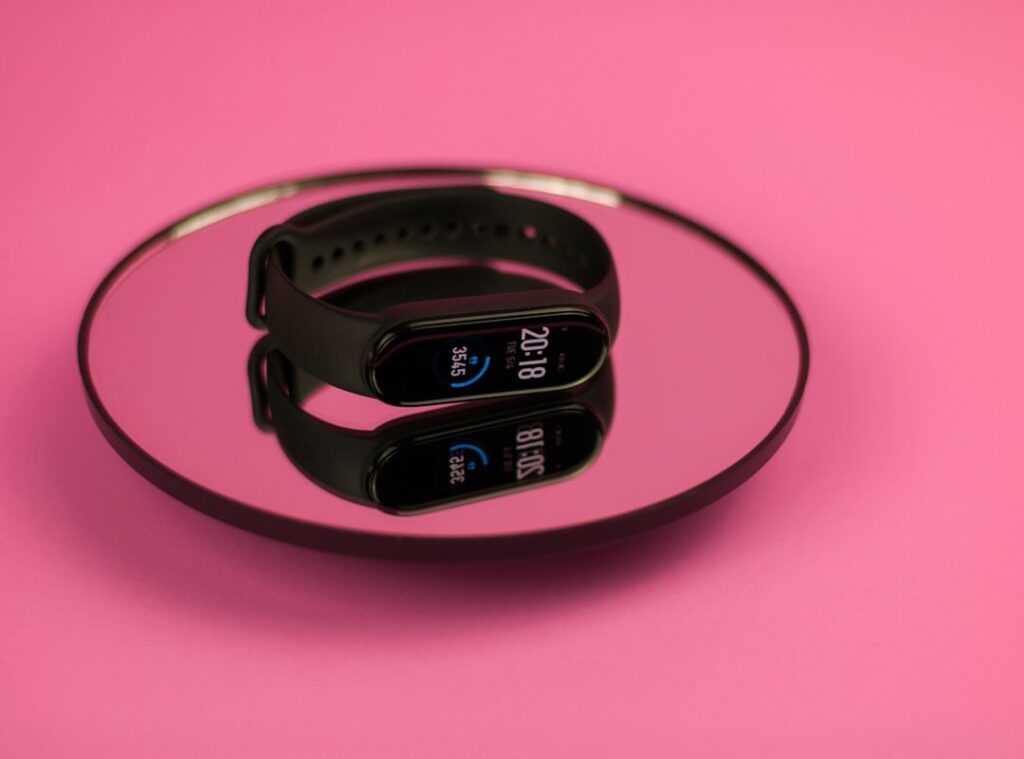
Wearable tech is everywhere. But does anyone really know what’s happening next? I do.
I’ve been watching wearable tech innovations evolve and the changes are insane. From fitness trackers to smart glasses, these gadgets are more than just trends. They’re shaping how we live, work, and even play.
You want the latest scoop on this tech revolution, and who wouldn’t? It’s a game-changer for both tech geeks and everyday folks. We’re talking breakthroughs that’ll blow your mind.
And it’s not just about the gadgets themselves. It’s about the data they handle and the privacy concerns that come with them.
I’ve dived into the latest research and talked to industry insiders. So, you can trust what you’re about to read. This article will cut through the noise and get straight to the core of what matters.
Ready to explore the future of wearable tech? You’re in the right place.
Beyond the Wrist: Tech is Going Everywhere
Wearable tech innovations are not just about what’s on your wrist anymore. We’re talking about tiny gadgets that slip into your life seamlessly. The biggest game-changers aren’t the bells and whistles but the forms these gadgets take.
Let’s start with smart rings. These little devices are like the secret agent’s gadget for your health. A ring that’s stylish, discreet, and doubles as a sleep tracker, activity monitor, and even a payment method.
You’re probably wondering, why a ring? Well, unlike bulky watches, these stay out of your way. Imagine jogging or doing yoga without anything weighing you down.
Just a ring that does it all. Cool, right?
They can monitor heart rates, translate languages on the fly, and tailor audio to your liking. Lost in a foreign country? Pop in an earbud and chat away like a local.
Then there are hearables. Smart earbuds and hearing aids have stepped up their game. They don’t just blast music into your ears; they’re like having a mini-computer in your head.
It’s not just convenience (it’s) revolutionizing how we interact with the world.
And don’t get me started on smart glasses. They had a rough start (looking at you, Google Glass), but they’ve made a comeback. Now, they’re all about utility.
Picture this: notifications popping up, GPS directions in sight, hands-free info while you’re on the move. They’ve ditched the clunky look for subtle, practical designs.
Curious about more tech trends? Check out the top smart home gadgets 2023. You won’t believe what’s next in line.
Your Personal Health Guardian: Medical-Grade Sensors
Remember when fitness trackers just counted your steps? Well, that’s old news. Now, we’re talking about medical-grade sensors transforming how we monitor health.
They’ve moved from simple wellness tracking to serious health monitoring. And you know what? It’s about time.
Take the ECG, for example. This sensor is like having a mini heart-checkup available 24/7 on your wrist. It tracks your heart’s electrical activity and can detect irregularities.
Pretty handy, right? Then there’s the SpO2 sensor. It measures blood oxygen levels, which is key for detecting conditions like sleep apnea.
Imagine knowing your oxygen saturation without a trip to the doctor.
Skin temperature sensors are also making waves. They can spot changes in your body temperature that might indicate fevers or infections. It’s like having a thermometer built into your watch.
These advancements are more than just cool gadgets; they’re potentially lifesaving.
Now, let’s talk about the holy grail of non-invasive monitoring: glucose tracking. For diabetics, this could be a game-changer. Currently, they have to prick their fingers multiple times a day.
But soon, we might have wearables that monitor glucose levels without a single drop of blood. We’re close, folks. Really close.
Mental wellness is another frontier. Sensors now track heart rate variability to assess stress levels. And when you’re stressed, these devices can suggest breathing exercises or mindfulness breaks.
It’s like having a personal therapist on your wrist.
So, are you ready to embrace these changes? If you’re curious about the latest wearable tech innovations, it’s worth checking out. These innovations aren’t just for tech nerds anymore.
They’re becoming important tools for anyone serious about their health. And that’s something we should all be excited about.
Power to the People: Battery Life Unplugged
Charging your devices all the time is a real drag, isn’t it? I mean, seriously, who wants to be tethered to a wall outlet every few hours? Enter wearable tech innovations.
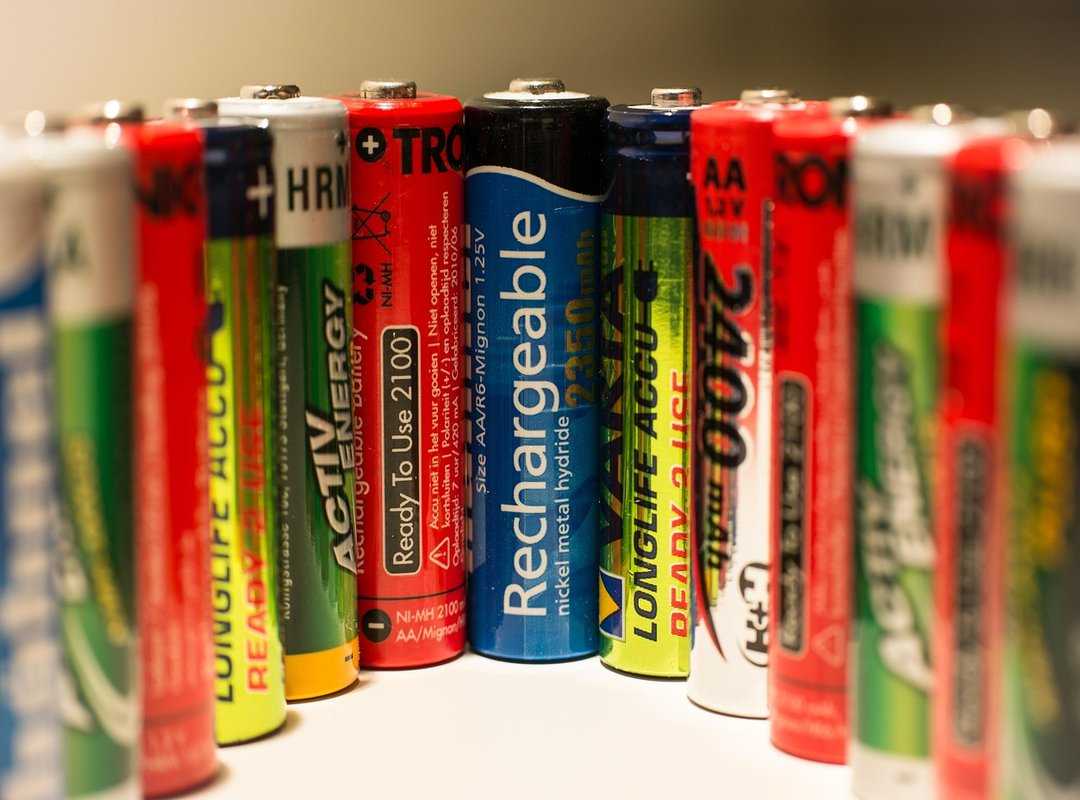
We’re seeing massive strides in battery efficiency. Think new chipsets like RISC-V architecture and those sleek low-power displays. They’re sipping energy like a fine wine rather than chugging it like a frat boy at a kegger.
Now, here’s where it gets really interesting: energy harvesting. Some devices are getting smarter. They use kinetic energy from your movements or solar power from ambient light to keep themselves juiced up.
Imagine a smartwatch that harnesses your morning run to stay charged. It’s like becoming your own personal power plant. And that future?
It’s not sci-fi. It’s happening right now.
What’s the benefit for you, the user? Freedom. Less time hunting for an outlet.
More time doing the things you love. Cutting the cord on charging has modern written all over it (pun entirely intended). And it’s not just about gadgets.
It’s about convenience and making tech truly smooth.
Oh, and while we’re talking tech, if you think drones are just for aerial selfies, think again. They’re revolutionizing logistics too. Check out more on drones in delivery changing game.
Always something new on the horizon, right?
The Unseen Advancement: Securing Your Personal Data
Wearable tech innovations have changed our lives, but there’s a catch. Wearables collect a staggering amount of sensitive health and location data. And what happens to it?
Most people don’t even think about it. That’s the problem.
Here’s the thing: newer devices are doing more processing right on the device, which is a huge win for privacy. Why should every piece of your data fly off to the cloud? It’s like sending a postcard with your deepest secrets written on it.
On-device processing means your info stays close and secure.
But when data does need to sync (and it will), strong encryption protocols are key. You wouldn’t send your bank details in clear text, right? The same logic applies here.
Wearables that use strong encryption protect what matters most when data travels between your device and the cloud.
Now, here’s a tip you can use today. Check the privacy policies of your favorite wearable brands. It’s not just about the features; it’s about how they handle your data.
Are they transparent? Do they spell out their encryption practices? This is where many brands fall short, but it’s where you can stand your ground.
Prefer companies that are open about these practices.
In a world buzzing with tech alerts, it’s easy to overlook these advancements. But securing your personal data should never be an afterthought. So, next time you’re shopping for wearables, remember: privacy isn’t just a feature.
It’s a necessity.
Keep Your Wrist Ahead of the Curve
Staying on top of wearable tech innovations isn’t just a hobby; it’s necessary. These gadgets are shrinking, getting smarter about our health, and upping their security game. I know, keeping up can feel like a full-time job.
But when you understand these advancements, you can spot the real game-changers from the marketing noise. And hey, don’t just focus on the shiny new features (everyone does that). Look at how companies handle power and privacy.
Want to make the smartest choice? Pay attention. Keep digging.
Visit feedcryptobuzz.com.co to stay ahead. Make these innovations work for you.
 Sylric Xenvale has opinions about gadget trends and emerging tools. Informed ones, backed by real experience — but opinions nonetheless, and they doesn't try to disguise them as neutral observation. They thinks a lot of what gets written about Gadget Trends and Emerging Tools, Expert Insights, Buzzworthy Data Encryption Protocols is either too cautious to be useful or too confident to be credible, and they's work tends to sit deliberately in the space between those two failure modes.
Reading Sylric's pieces, you get the sense of someone who has thought about this stuff seriously and arrived at actual conclusions — not just collected a range of perspectives and declined to pick one. That can be uncomfortable when they lands on something you disagree with. It's also why the writing is worth engaging with. Sylric isn't interested in telling people what they want to hear. They is interested in telling them what they actually thinks, with enough reasoning behind it that you can push back if you want to. That kind of intellectual honesty is rarer than it should be.
What Sylric is best at is the moment when a familiar topic reveals something unexpected — when the conventional wisdom turns out to be slightly off, or when a small shift in framing changes everything. They finds those moments consistently, which is why they's work tends to generate real discussion rather than just passive agreement.
Sylric Xenvale has opinions about gadget trends and emerging tools. Informed ones, backed by real experience — but opinions nonetheless, and they doesn't try to disguise them as neutral observation. They thinks a lot of what gets written about Gadget Trends and Emerging Tools, Expert Insights, Buzzworthy Data Encryption Protocols is either too cautious to be useful or too confident to be credible, and they's work tends to sit deliberately in the space between those two failure modes.
Reading Sylric's pieces, you get the sense of someone who has thought about this stuff seriously and arrived at actual conclusions — not just collected a range of perspectives and declined to pick one. That can be uncomfortable when they lands on something you disagree with. It's also why the writing is worth engaging with. Sylric isn't interested in telling people what they want to hear. They is interested in telling them what they actually thinks, with enough reasoning behind it that you can push back if you want to. That kind of intellectual honesty is rarer than it should be.
What Sylric is best at is the moment when a familiar topic reveals something unexpected — when the conventional wisdom turns out to be slightly off, or when a small shift in framing changes everything. They finds those moments consistently, which is why they's work tends to generate real discussion rather than just passive agreement.