

Is your cloud storage just a messy digital attic, slow and hard to get through? You’re not alone. Most people use cloud storage but few actually get the most out of it.
Default settings can leave you vulnerable, inefficient, and even overpaying. That’s a problem. Why settle for a simple drive when it can be a solid, secure asset instead?
I’ve been keeping an eye on emerging tech and data protocols, and I know what works and what’s just hype. Trust me, I’ve seen the cluttered chaos people deal with. The good news?
It doesn’t have to be that way. This article is your guide to optimizing cloud storage. I’ll show you how to boost your cloud storage solutions, focusing on security, efficiency, and cost-effectiveness.
No computer science degree needed.
By the end, you’ll have practical steps to take control of your digital files, making them safer and easier to manage.
Build a Smarter Foundation: Data Done Right
Building a solid foundation is key, just like constructing a house. In optimizing cloud storage, true progress starts with smart organization (not just adding space). Ever heard of ‘Intelligent Data Tiering’?
It’s about placing data where it belongs.
Here’s what I mean. Think of ‘Hot’ storage for your daily files (stuff) you need ASAP. ‘Cool’ storage is for those monthly reports, and ‘Archival’ is where old projects go to retire. This approach?
It slashes your costs dramatically. Less clutter, smarter access.
Speaking of access, let’s not forget the ‘Principle of Least Privilege’. You only give access to folders people actually need, not the whole enchilada. It’s a massive security upgrade.
Why have everyone peeking into the master folder when they don’t need to? This is a no-brainer for any team striving for efficiency.
A template like ‘[Date]-[Project]-[Version]’ keeps things tidy. It’s not just a neat trick, it’s a team collaboration superpower. Imagine finding the ‘2024-07-15-Marketing-Brief-v2.docx’ in seconds.
Now, about organizing files. Future-proof your system with a logical folder structure. Consistent naming conventions are your new best friend.
Bliss, right?
Want to know more about the tech side? Well, when you’re boosting website performance key techniques, these foundational steps make sure smooth sailing down the line. Every organized byte counts.
Building this foundation isn’t just practical, it’s important. You can’t just stack data like pizza boxes in a closet. Make it work for you.
Trust me, your future self. And your wallet. Will thank you.
Step 2: Lock It Down with Advanced Encryption
You wouldn’t leave your house with the doors wide open, right? It’s the same with digital security. A solid foundation is pointless if the doors are unlocked.
Let’s talk about encryption. It’s the backbone of digital walls. There are two types: encryption-at-rest and encryption-in-transit.
The first one protects data sitting on a server (like a guard dog for your files), while the latter secures data moving across the internet. Most cloud providers handle this, sure, but why stop there?
You can take control with Client-Side Encryption or Zero-Knowledge protocols. Think of it as locking your data in a box before sending it to the cloud. Only you have the key.
It’s like having a secret vault that no one else can crack. This is the ultimate in data privacy.
How do you achieve it, then? It’s easier than you think. Tools like Cryptomator or Boxcryptor create an encrypted vault inside your existing cloud storage like Dropbox or Google Drive.
They’re user-friendly, and you don’t need to be a tech wizard to set them up.
But wait, there’s more to fortifying your digital fortress. Strengthen your front door with hardware security keys. Ever heard of a YubiKey?
Unlike app-based Multi-Factor Authentication, it’s a physical key that’s nearly impossible to phish. It’s like having a bouncer at your digital door.
All of this ties into optimizing cloud storage. Why? Because securing your data means you can focus on what truly matters (accessing) and using your files without anxiety.
In the end, it’s about peace of mind. You wouldn’t trust just anyone with your valuables, so why take chances with your data? Protect it, lock it down, and sleep easy knowing you’ve built a digital fortress.
Automate and Integrate: Work Smarter, Not Harder
Let’s turn the tables. Instead of laboring for your cloud storage, make it work for you. Ever heard of Zapier or IFTTT?
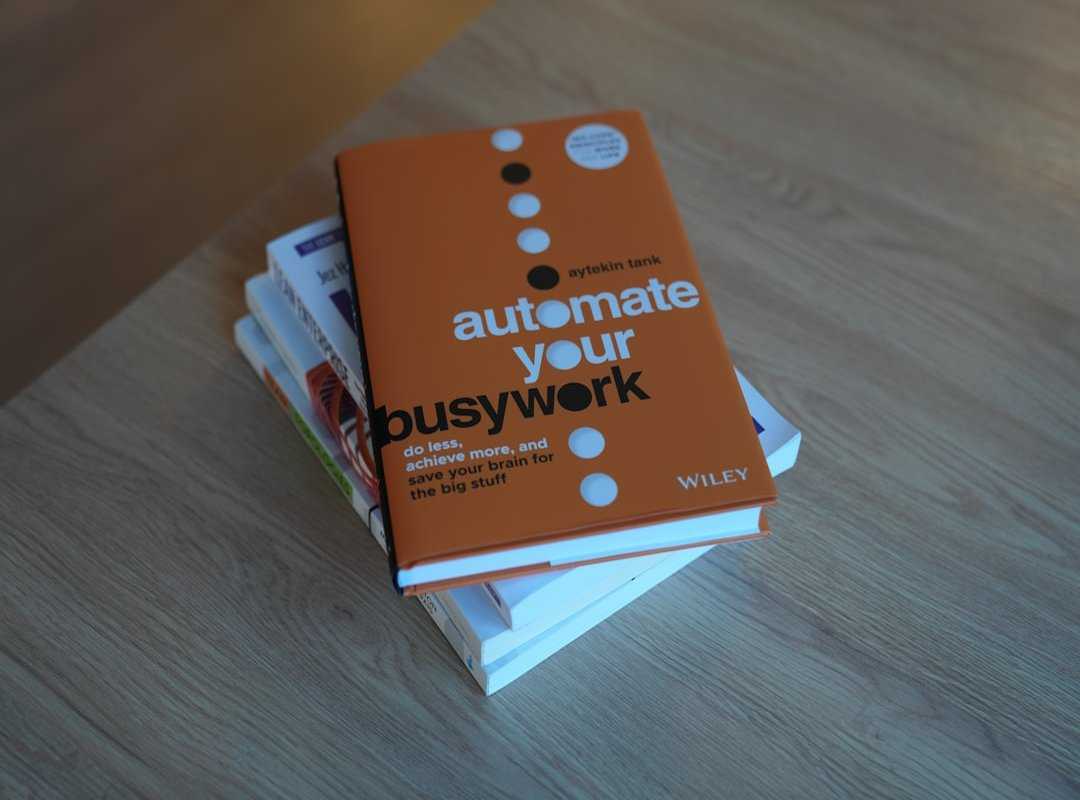
If not, you’re missing the boat. These automation tools can transform how you handle data. Imagine this: automatically saving Gmail attachments from a specific client straight to their project folder.
No more endless clicking. Or picture getting a Slack notification whenever someone adds a file to that shared ‘Finals’ folder. It’s about cutting the clutter, streamlining your workflow.
You might be wondering, how do native integrations fit into this? They’re game-changers. By linking your cloud storage directly with apps like Trello or Asana, you create a single source of truth.
No more downloading and re-uploading files. It’s smooth. And who doesn’t want smooth?
Now, let’s talk about desktop sync clients. You know them, you love them. Maybe.
But are you using them to their full potential? Features like ‘selective sync’ or ‘files-on-demand’ can save a ton of local hard drive space while keeping everything accessible. You get the best of both worlds: local and cloud storage.
Pro tip: When optimizing cloud storage, don’t forget to check out enhancing network security best practices. Security shouldn’t take a backseat.
In the end, it’s all about efficiency. The more you automate and integrate, the more time you have for what truly matters (like binge-watching your favorite shows guilt-free). So why not start now?
You’re already thinking about it, aren’t you?
The Future is Now: What’s Next in Cloud Storage?
to the next big thing: decentralized storage. Think of it as a global network where your files aren’t stuck in someone else’s data center. Instead, they’re spread across countless computers worldwide.
This boosts resilience and shrugs off censorship like a boss. It’s a game-changer, especially when you want more control over your data.
AI is already shaking things up in cloud storage. Ever searched for a “dog” in your photos without tagging it first? That’s AI at work.
Soon, it’ll handle data tiering and security monitoring automatically, letting you focus on more important things (like what’s for dinner). I mean, who doesn’t want smarter storage?
And don’t forget about multi-cloud strategies. Using more than one cloud provider? It’s a clever move to dodge vendor lock-in and beef up redundancy.
Sure, it’s a bit advanced, but more businesses are jumping on this bandwagon. Why put all your eggs in one basket, right?
So, how are you optimizing cloud storage for the future? It’s time to make sure your setup isn’t just ready for now but for whatever tech throws at us next.
Master Your Digital Space
Feeling overwhelmed by your default cloud storage? You’re not alone. But here’s the truth: it’s just the starting point.
Your messy, insecure system can transform into a secure, fast powerhouse. By optimizing cloud storage with smart organization, encryption, and automation, you’re not just tidying up. You’re turning chaos into productivity.
Want real results? Choose one plan from this article. Maybe set up a zero-knowledge vault or reorganize a project folder.
Do it this week. You’ll see benefits fast. This isn’t just theory.
It’s action. Take control now and watch your digital world transform.
 Johnny Websteringser writes the kind of tech innovation alerts content that people actually send to each other. Not because it's flashy or controversial, but because it's the sort of thing where you read it and immediately think of three people who need to see it. Johnny has a talent for identifying the questions that a lot of people have but haven't quite figured out how to articulate yet — and then answering them properly.
They covers a lot of ground: Tech Innovation Alerts, Buzzworthy Data Encryption Protocols, Gadget Trends and Emerging Tools, and plenty of adjacent territory that doesn't always get treated with the same seriousness. The consistency across all of it is a certain kind of respect for the reader. Johnny doesn't assume people are stupid, and they doesn't assume they know everything either. They writes for someone who is genuinely trying to figure something out — because that's usually who's actually reading. That assumption shapes everything from how they structures an explanation to how much background they includes before getting to the point.
Beyond the practical stuff, there's something in Johnny's writing that reflects a real investment in the subject — not performed enthusiasm, but the kind of sustained interest that produces insight over time. They has been paying attention to tech innovation alerts long enough that they notices things a more casual observer would miss. That depth shows up in the work in ways that are hard to fake.
Johnny Websteringser writes the kind of tech innovation alerts content that people actually send to each other. Not because it's flashy or controversial, but because it's the sort of thing where you read it and immediately think of three people who need to see it. Johnny has a talent for identifying the questions that a lot of people have but haven't quite figured out how to articulate yet — and then answering them properly.
They covers a lot of ground: Tech Innovation Alerts, Buzzworthy Data Encryption Protocols, Gadget Trends and Emerging Tools, and plenty of adjacent territory that doesn't always get treated with the same seriousness. The consistency across all of it is a certain kind of respect for the reader. Johnny doesn't assume people are stupid, and they doesn't assume they know everything either. They writes for someone who is genuinely trying to figure something out — because that's usually who's actually reading. That assumption shapes everything from how they structures an explanation to how much background they includes before getting to the point.
Beyond the practical stuff, there's something in Johnny's writing that reflects a real investment in the subject — not performed enthusiasm, but the kind of sustained interest that produces insight over time. They has been paying attention to tech innovation alerts long enough that they notices things a more casual observer would miss. That depth shows up in the work in ways that are hard to fake.