
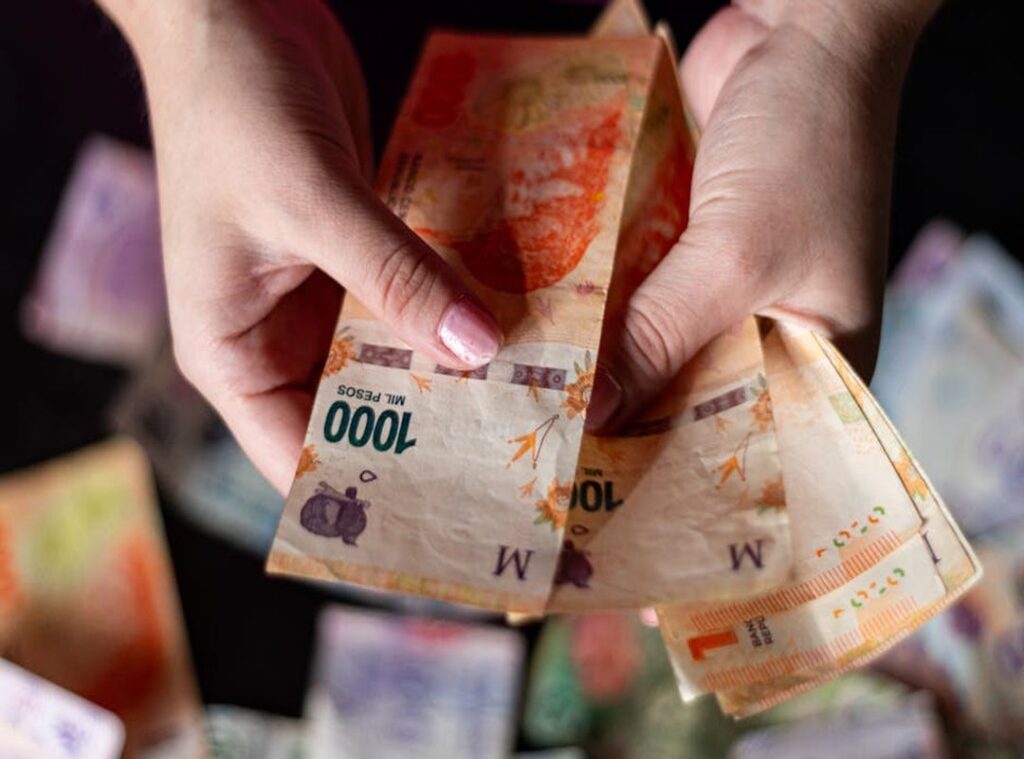
If you’re looking for a 6000 µF capacitor in Chile, you might be wondering about the price. A standard 6000 µF capacitor can cost anywhere from $2,500 to $15,000 pesos chilenos.
The voltage rating is the biggest factor. For example, a 25V capacitor might be around $3,000 CLP, while a 400V version could set you back over $12,000 CLP.
Brands like Nichicon, Rubycon, or Panasonic tend to be pricier than generic or unbranded capacitors.
You can verify these prices on popular online marketplaces in Chile, such as Mercado Libre Chile. Just make sure to check the listing details carefully.
Also, keep in mind that 6000 µF is a less common value. You might find 5600 µF or 6800 µF capacitors more easily, and they often work just as well.
Lastly, always check the physical size—diameter and height—to ensure the replacement part will fit in your device.
The Technical Specs That Drive Capacitor Prices Up or Down
Voltage Rating: The Insulation Factor
I remember the first time I had to choose a capacitor for a high-voltage project. It was a real eye-opener. A capacitor rated for a higher voltage needs more internal insulation and robust construction.
This directly increases its cost. Think of it like building a house in a hurricane zone; you need stronger materials.
Temperature Rating: When Heat Matters
Temperature ratings can make or break your project. A standard 85°C capacitor is fine for most applications, but if you’re working in a hot environment, you’ll need a 105°C version. These are more durable and, naturally, more expensive.
For example, in industrial settings, the extra durability is worth the cost.
Tolerance: Precision at a Price
Tolerance (e.g., ±20%) is all about precision. Components with tighter tolerances are pricier because they require more precise manufacturing. Imagine baking a cake.
If you need exact measurements, you’ll spend more on a high-precision scale. The same goes for capacitors.
ESR (Equivalent Series Resistance): The Performance Edge
ESR is critical for high-performance applications like computer power supplies or audio amplifiers. Low ESR means better performance and efficiency. But, as you might guess, this feature adds to the cost.
It’s like choosing between a basic car and one with a high-performance engine.
Ripple Current: Filtering Power
Ripple current rating is another key spec. It tells you how much AC current the capacitor can handle without overheating. A higher rating, needed for demanding power filtering, results in a more expensive component.
Putting It All Together
Think of capacitor specs like car features. A basic model gets you there, but high-performance features cost extra. Just like you wouldn’t use a regular car for a Formula One race, you wouldn’t use a standard capacitor in a high-demand application.
And if you’re curious about other tech innovations, read more. It’s always good to stay informed.
Oh, and just to give you a real-world example, a 6000 uf a pesos chilenos capacitor might seem like a small detail, but it can make a big difference in your project’s success.
Where to Buy Electronic Components in Chile: Online vs. Local
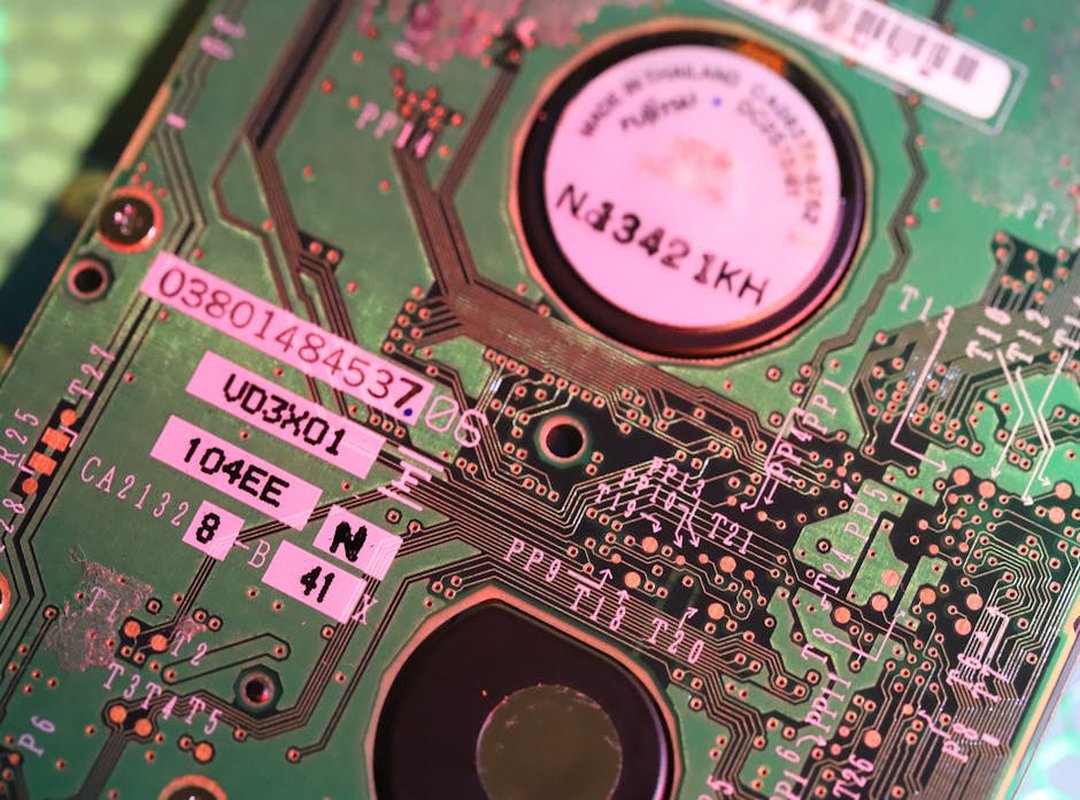
I once needed a specific capacitor for a project, and I couldn’t find it anywhere locally. Frustrating, right?
Online platforms like Mercado Libre Chile offer a wide selection and competitive pricing. But there’s a catch. You might end up with counterfeit or low-quality parts.
It’s a gamble.
In cities like Santiago, you can find specialized electronics stores around San Diego street. These shops are a goldmine for expert advice and immediate availability. If you need something urgently, these local stores are your best bet.
International suppliers like Digi-Key, Mouser, and AliExpress ship to Chile. They have an extensive inventory, but shipping costs and import duties (aduanazo) can add up. For bulk orders or hard-to-find parts, they’re worth considering if your budget allows.
When buying online, always check seller ratings, and read recent reviews. Scrutinize product photos for signs of authenticity.
It’s better to be safe than sorry.
For urgent repairs, visit a local store. For bulk orders or hard-to-find parts, consider an international supplier. Just make sure you have the exact specifications—capacitance, voltage, temperature, and physical size—ready before you start shopping.
One time, I was looking for a 6000 uf a pesos chilenos capacitor. I found it on an international site, but the shipping and duties made it too expensive. So, I went to a local store and got it for a fraction of the cost.
Always weigh your options. Sometimes, the extra effort to go local pays off.
Your Next Steps
When planning your budget, it’s important to consider all expenses. 6000 uf a pesos chilenos can be a significant amount. Make sure to convert and understand its value in your local currency. This will help you manage your finances more effectively.
 Jason L. has opinions about gadget trends and emerging tools. Informed ones, backed by real experience — but opinions nonetheless, and they doesn't try to disguise them as neutral observation. They thinks a lot of what gets written about Gadget Trends and Emerging Tools, Expert Insights, Buzzworthy Data Encryption Protocols is either too cautious to be useful or too confident to be credible, and they's work tends to sit deliberately in the space between those two failure modes.
Reading Jason's pieces, you get the sense of someone who has thought about this stuff seriously and arrived at actual conclusions — not just collected a range of perspectives and declined to pick one. That can be uncomfortable when they lands on something you disagree with. It's also why the writing is worth engaging with. Jason isn't interested in telling people what they want to hear. They is interested in telling them what they actually thinks, with enough reasoning behind it that you can push back if you want to. That kind of intellectual honesty is rarer than it should be.
What Jason is best at is the moment when a familiar topic reveals something unexpected — when the conventional wisdom turns out to be slightly off, or when a small shift in framing changes everything. They finds those moments consistently, which is why they's work tends to generate real discussion rather than just passive agreement.
Jason L. has opinions about gadget trends and emerging tools. Informed ones, backed by real experience — but opinions nonetheless, and they doesn't try to disguise them as neutral observation. They thinks a lot of what gets written about Gadget Trends and Emerging Tools, Expert Insights, Buzzworthy Data Encryption Protocols is either too cautious to be useful or too confident to be credible, and they's work tends to sit deliberately in the space between those two failure modes.
Reading Jason's pieces, you get the sense of someone who has thought about this stuff seriously and arrived at actual conclusions — not just collected a range of perspectives and declined to pick one. That can be uncomfortable when they lands on something you disagree with. It's also why the writing is worth engaging with. Jason isn't interested in telling people what they want to hear. They is interested in telling them what they actually thinks, with enough reasoning behind it that you can push back if you want to. That kind of intellectual honesty is rarer than it should be.
What Jason is best at is the moment when a familiar topic reveals something unexpected — when the conventional wisdom turns out to be slightly off, or when a small shift in framing changes everything. They finds those moments consistently, which is why they's work tends to generate real discussion rather than just passive agreement.