
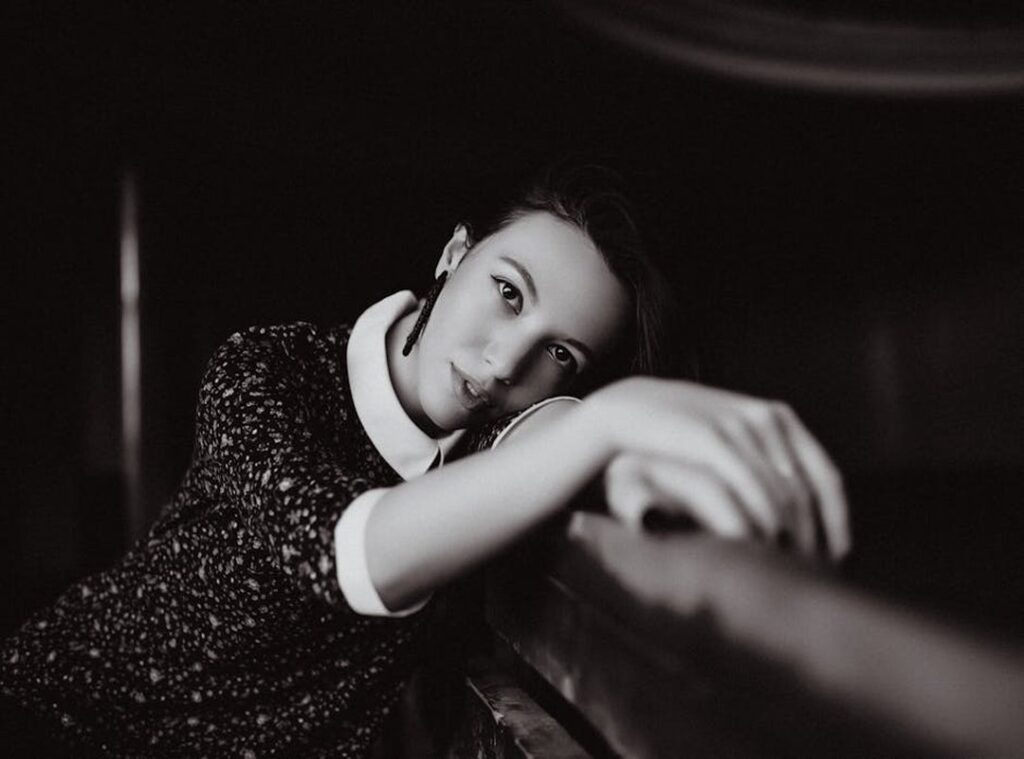
I’ve always been fascinated by the power of gambar lelaki dari belakang. It’s not just about the subject; it’s about the story you can tell.
Why do so many photographers struggle with back-view shots? They often end up flat and unengaging.
But here’s the thing: it doesn’t have to be that way.
With the right techniques, you can capture depth and emotion in these images.
This article will give you practical tips and insights to help you create compelling and meaningful back-view images.
Trust me, I’ve spent years perfecting this.
Understanding the Back View: Aesthetic and Emotional Impact
I remember the first time I saw a gambar lelaki dari belakang in an art gallery. It was striking.
The composition, the way the light hit the subject, and the framing made it stand out. There’s something about back-view images that just draws you in.
They’re not just visually appealing; they tell a story without showing too much.
Back views can evoke a sense of mystery. You wonder what the person is thinking, where they’re going, or what they’re feeling.
It’s like a silent conversation between the viewer and the image.
Solitude and introspection are common themes. The back view often makes you feel like you’re alone with your thoughts, which can be both comforting and thought-provoking.
Famous photographers and artists have used this perspective to create some of the most iconic images. Think of the lone figure walking into the distance, or the silhouette against a dramatic backdrop.
These images have a timeless quality. They speak to the human experience in a way that’s both universal and deeply personal.
Next time you see a back-view image, take a moment to appreciate the layers of meaning. It might just change the way you look at photography and art.
Composition Techniques for Back-View Images
When it comes to back-view images, the rule of thirds is your best friend. I remember a photographer once telling me, “It’s all about balance and movement.” Place the subject off-center, aligning them with one of the grid lines or intersections. This creates a more dynamic and engaging image.
Negative space is another powerful tool. It can make the subject stand out and create a sense of isolation or contemplation. Think about a lone figure in a vast, empty landscape.
The emptiness around them tells a story too.
Leading lines are great for adding depth and guiding the viewer’s eye. A path, a row of trees, or even a set of footprints in the sand—these can all draw the eye toward the subject.
Pro tip: Use natural elements like the horizon or a winding road to enhance the composition.
One of my favorite back-view shots is gambar lelaki dari belakang. It captures a man walking away, his silhouette against the setting sun. The negative space around him and the leading lines of the beach create a serene and contemplative mood.
Remember, these techniques aren’t just rules; they’re guidelines. Experiment and see what works best for you.
Lighting and Exposure for Back-View Shots
When it comes to capturing the perfect back-view shot, lighting can make or break your image. Let’s dive into some tips on how to get it right.
Natural Light
Natural light is a great way to highlight the contours and textures of the subject’s back and clothing. Try to position your subject near a window or in an open, well-lit area. The soft, diffused light can add a natural and flattering glow.
But what if you’re shooting outdoors? (Yes, I’m talking about those golden hour shots.) Position your subject so that the light hits them from the side or slightly behind. This can create a beautiful, almost ethereal effect.
Artificial Light
Artificial light sources, like studio lights or flash, offer more control over the mood and clarity of your image. For a dramatic effect, use a single, strong light source. This can create sharp, defined lines and shadows, adding depth and intensity to the shot.
If you prefer a softer, more gentle look, diffuse the light with a softbox or umbrella. This spreads the light out, reducing harsh shadows and creating a smooth, even illumination.
Exposure Settings
Adjusting exposure settings is key to achieving the desired mood and clarity in your image. Start by setting your ISO to a lower value, like 100 or 200, to keep noise to a minimum. Then, play around with your aperture and shutter speed to balance the light and shadow.
For a shallow depth of field, which can blur the background and focus on the subject, use a wide aperture (low f-number). If you want everything in focus, go for a smaller aperture (higher f-number).
| Setting | Description |
|---|---|
| ISO | Set to 100 or 200 for minimal noise. |
| Aperture | Wide (low f-number) for shallow depth of field, small (high f-number) for everything in focus. |
| Shutter Speed | Adjust to balance light and shadow, depending on the available light. |
Remember, practice makes perfect. Experiment with different lighting setups and exposure settings to find what works best for you. And if you need some help automating your routine tasks, check out this guide for some useful tips.
Capturing a gambar lelaki dari belakang can be a rewarding experience. With the right lighting and exposure, you can create stunning, memorable images.
Capturing the Moment: Timing and Context
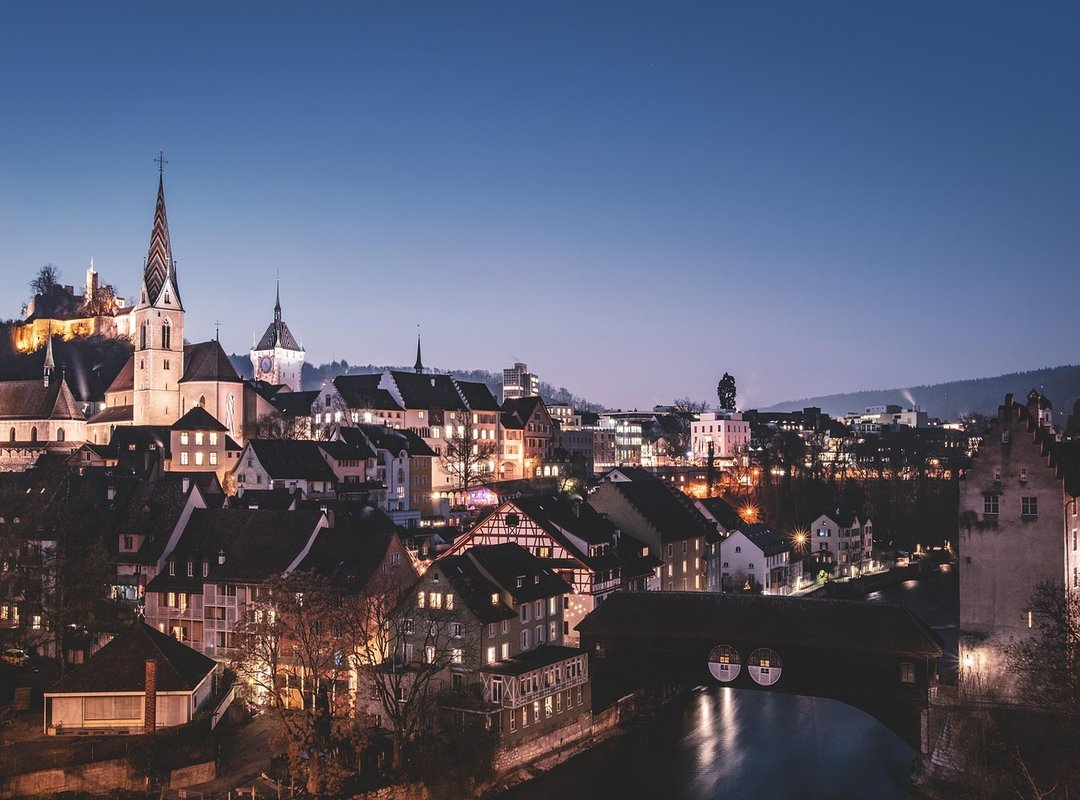
Timing is everything. Whether you’re going for a candid shot or a posed one, the right moment can make or break your photo.
Context matters too. The environment and background can enhance the story and mood of the back-view image. Think about it—what’s in the frame can tell a lot more than just the subject.
- Choose the Right Time: Wait for the perfect natural light. Early morning or late afternoon gives you that soft, golden glow.
- Frame with Intention: Use the environment to your advantage. A busy street can add energy, while a calm beach can bring a sense of peace.
Gambar lelaki dari belakang can be especially powerful. The way he stands, the setting around him—it all adds layers to the story.
Pro tip: Experiment with different angles. Sometimes, a slight shift can completely change the feel of the image.
Remember, it’s not just about the subject. It’s about how the whole scene comes together.
Mastering the Art of Back-View Photography
Back-view images can evoke a sense of mystery and intrigue, drawing the viewer into the scene. gambar lelaki dari belakang captures a unique perspective that can tell a story without showing the subject’s face. Proper composition, lighting, and timing are crucial for creating compelling back-view photographs. Composition helps frame the subject in an engaging way.
Lighting sets the mood and highlights the form. Timing is key to capturing the perfect moment. Experimentation and practice are essential for photographers to develop their unique style and storytelling through back-view photography.
 Jason L. has opinions about gadget trends and emerging tools. Informed ones, backed by real experience — but opinions nonetheless, and they doesn't try to disguise them as neutral observation. They thinks a lot of what gets written about Gadget Trends and Emerging Tools, Expert Insights, Buzzworthy Data Encryption Protocols is either too cautious to be useful or too confident to be credible, and they's work tends to sit deliberately in the space between those two failure modes.
Reading Jason's pieces, you get the sense of someone who has thought about this stuff seriously and arrived at actual conclusions — not just collected a range of perspectives and declined to pick one. That can be uncomfortable when they lands on something you disagree with. It's also why the writing is worth engaging with. Jason isn't interested in telling people what they want to hear. They is interested in telling them what they actually thinks, with enough reasoning behind it that you can push back if you want to. That kind of intellectual honesty is rarer than it should be.
What Jason is best at is the moment when a familiar topic reveals something unexpected — when the conventional wisdom turns out to be slightly off, or when a small shift in framing changes everything. They finds those moments consistently, which is why they's work tends to generate real discussion rather than just passive agreement.
Jason L. has opinions about gadget trends and emerging tools. Informed ones, backed by real experience — but opinions nonetheless, and they doesn't try to disguise them as neutral observation. They thinks a lot of what gets written about Gadget Trends and Emerging Tools, Expert Insights, Buzzworthy Data Encryption Protocols is either too cautious to be useful or too confident to be credible, and they's work tends to sit deliberately in the space between those two failure modes.
Reading Jason's pieces, you get the sense of someone who has thought about this stuff seriously and arrived at actual conclusions — not just collected a range of perspectives and declined to pick one. That can be uncomfortable when they lands on something you disagree with. It's also why the writing is worth engaging with. Jason isn't interested in telling people what they want to hear. They is interested in telling them what they actually thinks, with enough reasoning behind it that you can push back if you want to. That kind of intellectual honesty is rarer than it should be.
What Jason is best at is the moment when a familiar topic reveals something unexpected — when the conventional wisdom turns out to be slightly off, or when a small shift in framing changes everything. They finds those moments consistently, which is why they's work tends to generate real discussion rather than just passive agreement.