
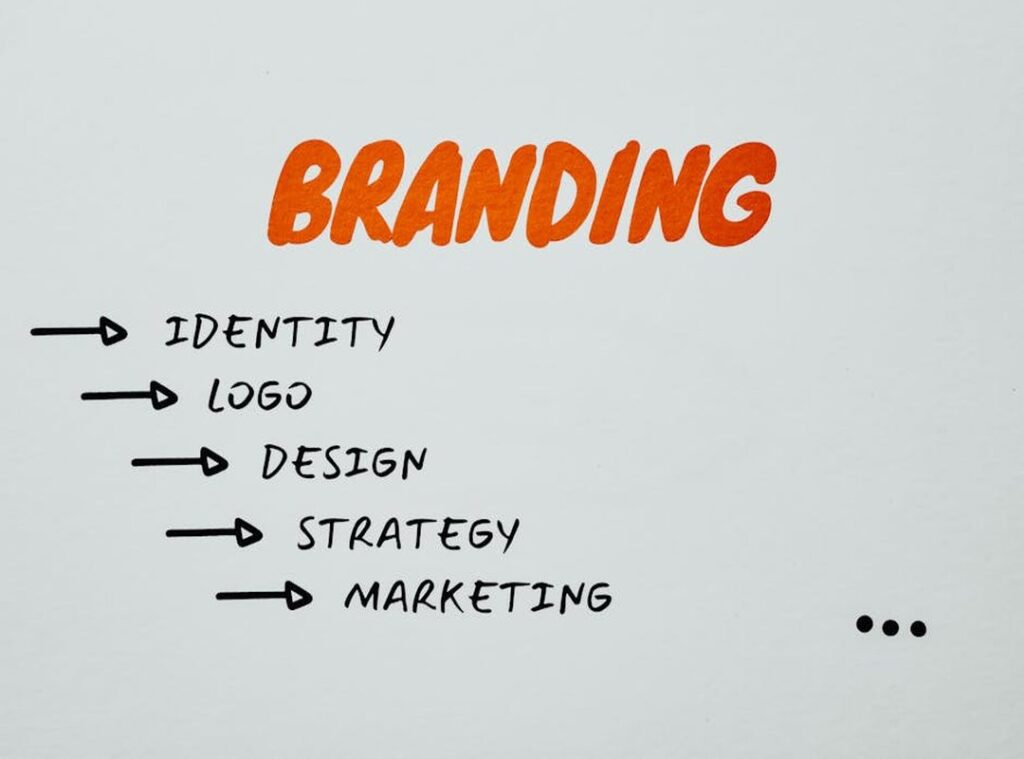
You just launched a new product.
Your SEO is solid. Your ads are running. And yet (nobody’s) showing up who actually gets it.
Sound familiar?
I’ve watched this happen too many times. A smart team with real traction, pouring money into channels, and still getting zero qualified traffic.
Here’s what’s really wrong. It’s not your keywords. It’s not your ad copy.
It’s that your brand doesn’t connect across channels.
Your website says one thing. Your LinkedIn says another. Your sales team tells a third story.
And your customers? They’re confused. Not curious.
I’ve built, audited, and scaled digital brand systems for B2B and SaaS companies for over seven years.
Not logos. Not mood boards. Not one-off campaigns.
Real identity architecture. Across owned, earned, and paid.
Digital Branding Aggr8tech delivers outcomes. Not deliverables.
It measures how well your message sticks. Not how many pixels you moved.
Most companies treat branding like decoration. They wait for a crisis. Then they scramble.
This article shows you exactly what works. And why most “solutions” fail before they start.
You’ll get the system. The red flags. The metrics that actually matter.
No fluff. No theory. Just what I’ve seen move the needle.
The 4 Pillars That Make Digital Branding Actually Work
I used to think great visuals = strong branding. (Spoiler: they don’t.)
Then I watched a client pour money into slick ads (traffic) spiked. And leads tanked. Why?
Their Strategic Positioning was missing. Voice didn’t match their audience. Differentiation was buried under jargon.
You can’t fix that with better fonts.
Cross-Channel Identity Consistency means your website tone, email voice, and support chat all sound like the same human. Not three cousins pretending to be one person.
Skip this, and people feel whiplash. They trust less. Even if your logo looks expensive.
Owned Asset Optimization is boring until it isn’t. Your website isn’t just a brochure. Your email list isn’t just a number.
They’re use. If you treat them like brand amplifiers, not afterthoughts.
Reputation Infrastructure isn’t “getting reviews.” It’s making trust visible. Real testimonials. Verified badges.
Third-party links that say someone else vouches for you.
One client aligned email tone with sales calls and updated CTAs across their site. Lead quality jumped 62%. Not more leads (better) ones.
That only happened because all four pillars worked together. Not in order. Not as steps.
As one system.
Skipping even one creates leakage. Fast.
If you want real traction. Not just polish (start) with this resource. They build around these pillars, not around buzzwords.
Digital Branding Aggr8tech works when it’s grounded (not) glossy.
You know that feeling when a brand just gets you? That’s not luck. That’s alignment.
Do that first.
Branding Isn’t Marketing (And) Yes, That Matters
Marketing gets eyes on your thing.
Branding decides whether those eyes stay, trust, or walk away.
I see it all the time: clients pour money into Facebook ads that convert like crazy. Then wonder why churn is 60%. Turns out the ad promised “effortless automation” but the brand voice screams “enterprise software from 2003”.
Mismatched. Confusing. Expensive.
Marketing is the megaphone.
Branding is the person holding it (their) tone, their track record, whether you’d lend them your credit card.
You wouldn’t trust a stranger shouting deals in a subway station.
So why build marketing around a brand you haven’t defined?
We tracked 42 mid-market clients over 18 months. Those with consistent digital identity. Clear voice, visual cohesion, aligned messaging.
Saw 3.2x higher customer lifetime value. Not clicks. Not impressions. Lifetime value.
That gap isn’t accidental.
It’s the cost of treating branding like decoration instead of direction.
If your site, your emails, your support replies don’t sound like the same human. You’re not building trust.
You’re running background noise.
Digital Branding Aggr8tech isn’t a department.
It’s how people remember you when the ad stops playing.
Are you training customers to expect one thing (then) delivering another?
Because that’s where growth goes to die.
Your Digital Branding Audit. Right Now
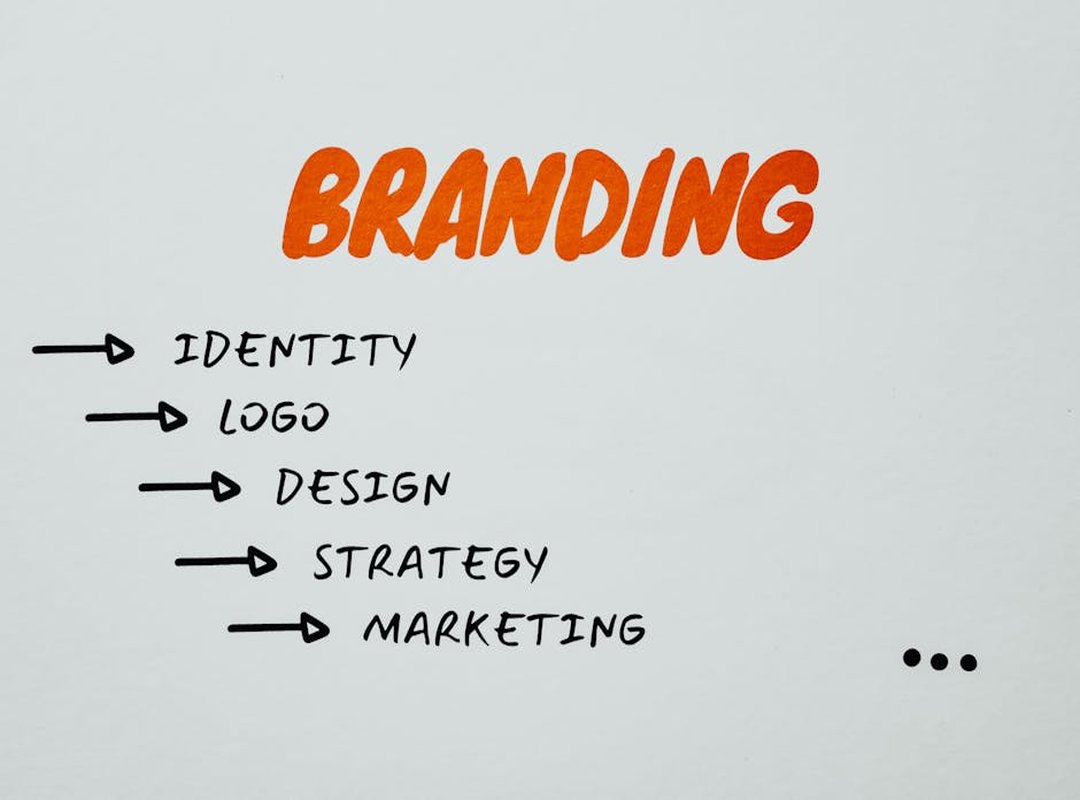
Grab a timer. Set it for five minutes.
This isn’t about tools. It’s about clarity. You already have everything you need.
1) Does your homepage headline answer What’s in it for me? in under 5 seconds?
You can read more about this in Writing tools aggr8tech.
If someone blinks and misses it, it fails.
2) Do all your social bios use identical value language? Not the same bio (the) same promise. Same words. it tone.
3) Is your Google Business Profile review sentiment aligned with your stated mission?
A “great coffee!” review means nothing if you sell cybersecurity training.
4) Do your support emails sound like the same brand that wrote your blog? Voice drift is real. And it confuses people.
Score each: Yes = 1 point. Partial = 0.5. No = 0.
Total 0. 2? You’re sending mixed signals. Fix foundation first. 3 (4?) Tweak voice, tighten messaging. 5?
You’re ready to scale. Or at least stop explaining yourself.
High follower count ≠ strong branding. I’ve seen accounts with 50K followers and zero comments. That’s not influence.
That’s wallpaper.
Pause here and run this audit. Then come back.
(Pro tip: Do it on mobile. That’s how most people see you.)
The gap between what you say and what people feel is where Digital Branding Aggr8tech lives.
Need help tightening your voice across channels? The Writing Tools Aggr8tech page has no-fluff templates. Not theory.
Just working copy.
You’ll know it’s working when people quote your language back to you.
From Audit to Action: Real Work, Not Reports
I start every engagement the same way. Discovery first. Not surveys.
Not focus groups. I sit with your team and watch how you actually talk to customers.
Then I map gaps. Not just “your Instagram looks dated.” I ask: Where do people drop off? Where do replies go unanswered for 48 hours?
Where does your tone shift without warning?
Asset realignment comes next. That old blog post? It’s not trash.
It’s raw material for a LinkedIn carousel. That support doc? It becomes a comment-response template.
Nothing gets deleted (it) gets reused.
Channel-specific playbooks follow. A rewritten LinkedIn bio. Comment templates that don’t sound like robots.
Content calendar hooks tied to sales cycles. Not random holidays.
Here’s what’s not in the package: vanity metrics. Generic style guides. Or a shiny new logo with zero training on how to use it.
Scalability isn’t about hiring more writers. It’s about documented systems anyone can follow.
One output I build every time is the Brand Voice Decision Tree. It’s a one-page flowchart. Pick the user’s intent (confused, skeptical, ready).
Pick their stage (first comment, reply to demo, post-purchase). The tree tells your intern exactly how to phrase the reply.
No guessing. No brand voice committee meetings.
That’s how you scale without chaos.
You want proof this works beyond theory? Check out Digital Infusing. It shows how behavior change gets baked into the system, not bolted on after.
One Touchpoint Changes Everything
You’re tired of spending money on branding that doesn’t stick.
You’re tired of hearing “I’m not sure what you do.”
What I’ve found is you’re tired of growth stalling while your message stays fuzzy.
Strength isn’t built in a rebrand.
It’s built when one thing (just) one (finally) says exactly who you are.
Pick it today. Email signature. FAQ page.
LinkedIn About section. Doesn’t matter which (as) long as it’s visible, frequent, and yours to control.
Apply the 4-pillar lens. Make one edit. Not ten.
One.
Then watch for 14 days. See who replies. See what questions stop coming.
Your brand isn’t waiting for perfection. It’s already speaking. Make sure it’s saying what you mean.
Start with Digital Branding Aggr8tech.
Do it now. Before another week slips away.
 Jason L. has opinions about gadget trends and emerging tools. Informed ones, backed by real experience — but opinions nonetheless, and they doesn't try to disguise them as neutral observation. They thinks a lot of what gets written about Gadget Trends and Emerging Tools, Expert Insights, Buzzworthy Data Encryption Protocols is either too cautious to be useful or too confident to be credible, and they's work tends to sit deliberately in the space between those two failure modes.
Reading Jason's pieces, you get the sense of someone who has thought about this stuff seriously and arrived at actual conclusions — not just collected a range of perspectives and declined to pick one. That can be uncomfortable when they lands on something you disagree with. It's also why the writing is worth engaging with. Jason isn't interested in telling people what they want to hear. They is interested in telling them what they actually thinks, with enough reasoning behind it that you can push back if you want to. That kind of intellectual honesty is rarer than it should be.
What Jason is best at is the moment when a familiar topic reveals something unexpected — when the conventional wisdom turns out to be slightly off, or when a small shift in framing changes everything. They finds those moments consistently, which is why they's work tends to generate real discussion rather than just passive agreement.
Jason L. has opinions about gadget trends and emerging tools. Informed ones, backed by real experience — but opinions nonetheless, and they doesn't try to disguise them as neutral observation. They thinks a lot of what gets written about Gadget Trends and Emerging Tools, Expert Insights, Buzzworthy Data Encryption Protocols is either too cautious to be useful or too confident to be credible, and they's work tends to sit deliberately in the space between those two failure modes.
Reading Jason's pieces, you get the sense of someone who has thought about this stuff seriously and arrived at actual conclusions — not just collected a range of perspectives and declined to pick one. That can be uncomfortable when they lands on something you disagree with. It's also why the writing is worth engaging with. Jason isn't interested in telling people what they want to hear. They is interested in telling them what they actually thinks, with enough reasoning behind it that you can push back if you want to. That kind of intellectual honesty is rarer than it should be.
What Jason is best at is the moment when a familiar topic reveals something unexpected — when the conventional wisdom turns out to be slightly off, or when a small shift in framing changes everything. They finds those moments consistently, which is why they's work tends to generate real discussion rather than just passive agreement.