
Passwords are failing, data breaches are escalating, and traditional two-factor authentication is no longer enough to protect sensitive information. If you’re exploring wearable digital authentication tools, you’re likely looking for a smarter, more secure way to verify identity without sacrificing convenience.
This article breaks down how wearable authentication technology works, the encryption protocols behind it, and the real-world advantages it offers over passwords, SMS codes, and standalone hardware tokens. We’ll also examine current device trends, potential vulnerabilities, and practical optimization techniques to ensure maximum security and usability.
To ensure accuracy, we analyzed emerging security research, reviewed current encryption standards, and evaluated leading wearable authentication solutions on the market. Whether you’re a tech enthusiast, IT professional, or privacy-conscious user, you’ll gain a clear understanding of how wearable authentication is reshaping digital security—and whether it’s the right solution for your needs.
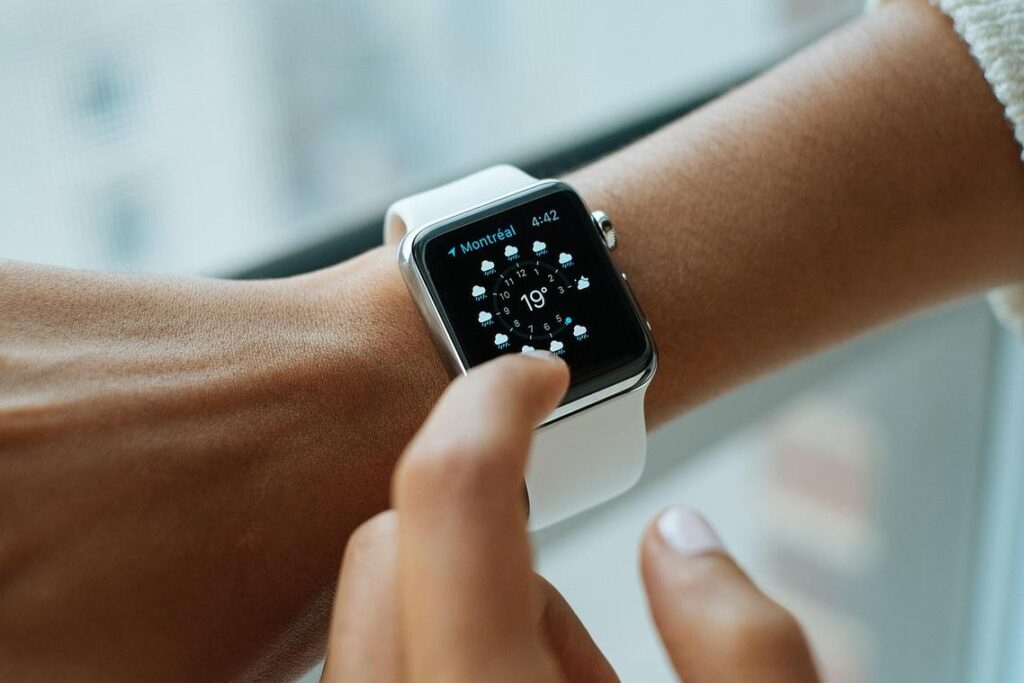
Passwords are creaking relics In theory, authentication—the process of proving you are who you say you are—should be invisible Instead, we juggle dozens of logins, reuse weak phrases, and hope we dodge phishing Meanwhile, SIM swapping—hijacking a phone number to bypass two-factor authentication—keeps rising That’s why I believe wearable digital authentication tools are the smarter path These devices use biometrics, meaning body-based identifiers like heart rhythm, alongside encrypted keys So instead of typing secrets, your wrist confirms you Critics argue wearables can be lost or hacked Yet encryption makes theft less useful To me, tapping my watch beats memorizing “Password123”
The Core Technology: How Wearables Become Your Digital Key
As wearable technology continues to evolve, it not only enhances our daily lives through convenience and connectivity but also strengthens digital authentication measures, making it crucial to ensure that your home network is optimized—check out our article on ‘10 Proven Ways to Improve Wi-Fi Speed and Stability‘ to keep your devices running smoothly.
At the heart of modern wearable digital authentication tools is Near Field Communication (NFC), a short‑range wireless protocol that enables secure “tap-to-authenticate” interactions. NFC chips embedded in rings or bracelets transmit encrypted credentials when placed within a few centimeters of a reader. This is the same standards-based technology used in contactless cards and mobile wallets, which accounted for over 50% of global in‑store transactions in 2023 (Juniper Research). The difference? The credential lives on your body (very James Bond, minus the tux).
Biometric sensors add a second layer of trust. Biometrics are measurable biological traits—like heart rate variability, fingerprint patterns, or even gait (how you walk). Studies from the National Institute of Standards and Technology (NIST) show modern fingerprint algorithms can achieve false acceptance rates below 0.01%. If the wearable detects it’s not you, the authentication request simply fails.
Then there’s FIDO2, an open authentication standard backed by the FIDO Alliance and adopted by Apple, Google, and Microsoft. FIDO2 enables passkeys—cryptographic credentials that replace passwords entirely. Because private keys never leave the device, phishing attacks become virtually impossible (FIDO Alliance data shows phishing-resistant logins block 99% of automated attacks).
Finally, secure element (SE) chips safeguard cryptographic keys. An SE is a tamper-resistant microprocessor isolated from the main system, protecting against physical extraction or malware intrusion. Think of it as a vault embedded in silicon.
- NFC enables tap-based access
- Biometrics verify identity locally
- FIDO2 creates un‑phishable credentials
- SE chips lock everything down
Pro tip: choose devices certified by recognized security standards to ensure real hardware-level protection.
From Theory to Practice: Real-World Applications of Wearable Security
Wearable security sounds futuristic. In reality, it’s already reshaping how we log in, pay, and move through the world. The real question isn’t if you should use it. It’s which applications make the most sense for you.
Seamless Web Logins
Imagine tapping your smart ring against your laptop and instantly accessing your email or banking dashboard—no passwords, no SMS codes. This works through NFC (Near Field Communication), a short-range wireless protocol that enables secure data exchange between devices.
Critics argue passwords plus authenticator apps are enough. And yes, multi-factor authentication (MFA) is strong. But phishing attacks increased 58% in 2023 (APWG), often bypassing SMS-based systems. Hardware-based authentication dramatically reduces that risk because credentials aren’t typed—they’re cryptographically verified.
Recommendation: Choose wearables that support FIDO2 standards for phishing-resistant logins.
Physical Access Control
Offices, gyms, and even transit systems now accept NFC-enabled rings or watches instead of plastic key cards. This reduces card cloning risks and administrative overhead.
Skeptics worry about losing a ring. Fair point. However, most systems allow instant remote deactivation—much faster than reissuing physical keys.
Contactless Payments
Yes, smartwatches already support tap-to-pay. But dedicated payment rings and bracelets offer something subtler. No screen. No distractions. Just a tap.
According to Juniper Research, contactless payments are expected to exceed $10 trillion globally by 2027. That growth reflects trust in tokenization—a process where real card details are replaced with encrypted tokens.
Pro tip: Opt for devices with biometric confirmation for higher transaction limits.
Device Unlocking
Wearables can create a trusted proximity zone—meaning your laptop stays unlocked while you’re nearby and locks automatically when you walk away. It’s convenience layered with security (like having an invisible digital bodyguard).
Here’s a quick comparison:
| Use Case | Key Benefit | Best For |
|---|---|---|
| Web Logins | Phishing resistance |
Remote workers |
| Physical Access | Card replacement | Offices & gyms |
| Payments | Tokenized security | Daily spending |
| Device Unlocking | Auto-lock protection | Travelers |
If you’re exploring top cybersecurity gadgets for protecting personal data in 2026, prioritize wearable digital authentication tools that support encryption standards and remote wipe features. Start with login authentication, then expand into payments and access control for layered protection.
Choosing Your Authenticator: What to Look for in a Secure Wearable

Not all wearable digital authentication tools are created equal. The form factor matters more than you think. Smart rings are discreet (James Bond would approve) and lightweight, but their small batteries may require more frequent charging. Bracelets balance visibility and battery life, while smartwatches offer broader features—notifications, apps, fitness tracking—but can be bulkier and more power-hungry. Some argue a phone-based authenticator is enough. Fair point. Yet phones are lost or phished daily; hardware-based authentication resists remote attacks because credentials stay on-device (CISA, 2023).
Next, check protocol support. Look for FIDO2 certification—a standard enabling passwordless logins across browsers and platforms. FIDO2 uses public-key cryptography, meaning your private key never leaves the device (FIDO Alliance). Without it, compatibility can be limited and future upgrades painful.
Evaluate security features closely. A secure element—a tamper-resistant chip—protects cryptographic keys even if the device is physically compromised. Reliable biometric sensors (fingerprint or heart-rate patterning) reduce false accepts. Critics say biometrics can fail. True—but high-quality sensors dramatically lower spoofing risks.
Finally, confirm ecosystem integration. Does it work with Windows Hello, Google, or Apple services you rely on daily? Pro tip: review official compatibility lists before buying to avoid unpleasant surprises later.
The Next Wave: What’s Next for Personal Authentication Tech
First, consider continuous authentication—systems that passively verify you based on unique biometric signals like cardiac rhythm or gait. Instead of typing passwords, your device constantly checks subtle patterns (think of it as Face ID that never blinks). For example, some research shows heart rhythm patterns can uniquely identify individuals with high accuracy (IEEE studies). To prepare, enable biometric layering on your devices and keep firmware updated.
Next, decentralized identity (DID) shifts control back to users. In simple terms, DID lets you store verified credentials on a blockchain rather than a company server. Imagine approving a bank request with a tap from wearable digital authentication tools instead of uploading documents repeatedly. Start by exploring wallets that support verifiable credentials.
Finally, integration with IoT turns your wearable into a universal key. As you approach your car or smart lock, proximity-based authentication unlocks access automatically. Set up device-level encryption and multi-factor fallback now to stay ahead.
Secure Your Digital World with Smarter Authentication
You came here looking for clarity on how modern authentication is evolving and how to stay protected in an increasingly connected world. Now you understand how emerging technologies, encryption protocols, and wearable digital authentication tools are reshaping the way we secure devices, data, and identities.
The real challenge isn’t knowing that threats exist — it’s keeping up with how fast they evolve. Weak passwords, outdated systems, and fragmented security habits leave gaps that cybercriminals are quick to exploit. Staying ahead means adopting smarter, more seamless authentication methods that work with your lifestyle, not against it.
The next step is simple: start integrating advanced authentication strategies into your daily tech use. Explore encrypted ecosystems, enable multi-layer verification, and evaluate how wearable digital authentication tools can strengthen your security posture without sacrificing convenience.
If you’re serious about protecting your data and optimizing your digital experience, don’t wait for a breach to take action. Join thousands of tech-savvy readers who rely on our expert-backed insights to stay secure and ahead of the curve. Dive deeper now and take control of your digital protection today.
 Jordan K. has opinions about gadget trends and emerging tools. Informed ones, backed by real experience — but opinions nonetheless, and they doesn't try to disguise them as neutral observation. They thinks a lot of what gets written about Gadget Trends and Emerging Tools, Expert Insights, Buzzworthy Data Encryption Protocols is either too cautious to be useful or too confident to be credible, and they's work tends to sit deliberately in the space between those two failure modes.
Reading Jordan's pieces, you get the sense of someone who has thought about this stuff seriously and arrived at actual conclusions — not just collected a range of perspectives and declined to pick one. That can be uncomfortable when they lands on something you disagree with. It's also why the writing is worth engaging with. Jordan isn't interested in telling people what they want to hear. They is interested in telling them what they actually thinks, with enough reasoning behind it that you can push back if you want to. That kind of intellectual honesty is rarer than it should be.
What Jordan is best at is the moment when a familiar topic reveals something unexpected — when the conventional wisdom turns out to be slightly off, or when a small shift in framing changes everything. They finds those moments consistently, which is why they's work tends to generate real discussion rather than just passive agreement.
Jordan K. has opinions about gadget trends and emerging tools. Informed ones, backed by real experience — but opinions nonetheless, and they doesn't try to disguise them as neutral observation. They thinks a lot of what gets written about Gadget Trends and Emerging Tools, Expert Insights, Buzzworthy Data Encryption Protocols is either too cautious to be useful or too confident to be credible, and they's work tends to sit deliberately in the space between those two failure modes.
Reading Jordan's pieces, you get the sense of someone who has thought about this stuff seriously and arrived at actual conclusions — not just collected a range of perspectives and declined to pick one. That can be uncomfortable when they lands on something you disagree with. It's also why the writing is worth engaging with. Jordan isn't interested in telling people what they want to hear. They is interested in telling them what they actually thinks, with enough reasoning behind it that you can push back if you want to. That kind of intellectual honesty is rarer than it should be.
What Jordan is best at is the moment when a familiar topic reveals something unexpected — when the conventional wisdom turns out to be slightly off, or when a small shift in framing changes everything. They finds those moments consistently, which is why they's work tends to generate real discussion rather than just passive agreement.