
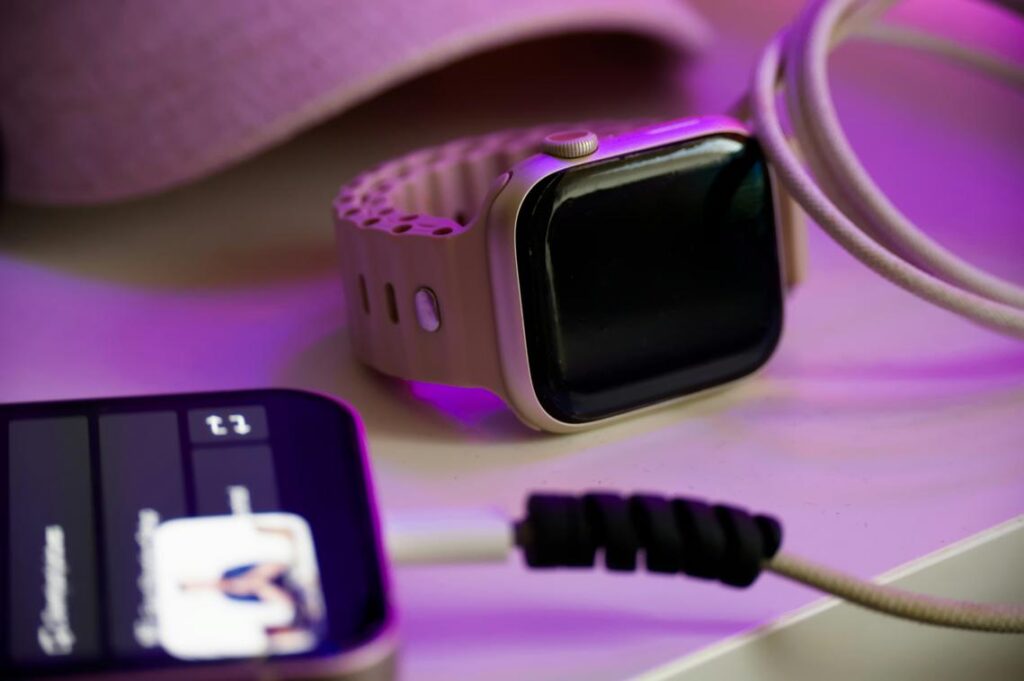
Technology is moving faster than ever, and 2026 is set to be a turning point. From breakthroughs in AI infrastructure to next‑generation encryption and consumer hardware, the emerging technology trends 2026 will reshape how we work, invest, and secure our digital lives. The challenge? Separating real, scalable innovation from overhyped distractions. This guide delivers a practical forecast grounded in years of analyzing R&D pipelines, patent activity, and early adoption data. You’ll gain a clear view of the technologies that truly matter—and actionable steps to prepare both personally and professionally for what’s coming next.
Beyond Chatbots: The Rise of Autonomous AI Agents
Large Language Models (LLMs)—AI systems trained on massive datasets to generate humanlike text—were built to respond. You ask, they answer. However, autonomous AI agents take that a step further: they plan, decide, and execute multi-step tasks with minimal supervision. According to Gartner, by 2026 over 30% of enterprise applications will include agentic AI components, up from less than 5% in 2023. That shift marks a clear evolution from reactive tools to proactive digital operators.
For example, instead of drafting a single customer reply, an AI agent can analyze a complaint, check inventory, process a refund, update CRM records, and schedule follow-ups automatically. In logistics, early deployments at companies like Amazon have shown AI-driven route optimization reducing delivery costs by up to 15% (McKinsey, 2024). In short, these systems don’t just “chat”—they act.
Meanwhile, gadgets are catching up. Devices aligned with emerging technology trends 2026 will embed agents that learn user routines, adjust battery performance, pre-schedule meetings based on traffic data, and even negotiate subscription renewals. Think less voice assistant, more digital chief of staff (minus the coffee runs).
To prepare, businesses should identify processes ripe for early-stage automation:
- High-volume, rule-based workflows (e.g., ticket triage)
- Multi-system coordination tasks (CRM, billing, logistics)
- Personalized yet repetitive customer journeys
Critics argue agents remain unreliable. That’s fair—hallucinations still occur. Yet controlled pilots show measurable efficiency gains when guardrails and human oversight are applied. The trajectory is clear: AI agents are moving from novelty to operational backbone.
The Quantum Threat: A New Era for Data Encryption
The Ticking Clock
Let’s be blunt: today’s encryption has an expiration date. The phrase “harvest now, decrypt later” refers to attackers stealing encrypted data today and storing it until quantum computers are powerful enough to break it. Encryption, in simple terms, is the mathematical process that scrambles data so only authorized parties can read it. Most modern systems rely on algorithms like RSA and ECC, which would be vulnerable to a sufficiently advanced quantum machine (NIST, 2024). So even if quantum computers aren’t fully there yet, sensitive data with a long shelf life—medical records, state secrets, financial histories—is already at risk. Do we really want to assume attackers are waiting politely?
The Solution – PQC
This is where Post-Quantum Cryptography (PQC) comes in. PQC refers to cryptographic algorithms designed to resist attacks from both classical and quantum computers. In 2022–2024, NIST began standardizing quantum-resistant algorithms, signaling that migration isn’t theoretical—it’s operational. In my view, organizations that delay until quantum advantage is obvious will be too late. As we track emerging technology trends 2026, PQC adoption is quickly becoming the new security baseline.
Sector-Specific Urgency
Finance, healthcare, and government sectors cannot gamble with long-term confidentiality. A breached transaction log or patient archive isn’t just embarrassing; it’s catastrophic.
Actionable Steps
- Inventory cryptographic assets (algorithms, certificates, key lengths).
- Assess exposure lifespan—which data must remain secure for 10+ years?
- Pilot PQC-ready systems alongside existing infrastructure to enable phased migration.
Pro tip: prioritize systems handling archived or regulated data first.
Ambient Computing: When the Digital and Physical Worlds Merge

The Next Gadget Wave
For years, the smartphone has been the center of our digital lives. However, the next shift is already underway. Ambient computing—technology that blends seamlessly into your surroundings—moves us beyond handheld screens and toward lightweight AR glasses, smart fabrics, and sensor-rich environments. In simple terms, ambient computing means devices that work in the background, responding to you without demanding constant attention.
Skeptics argue we’re not ready to give up our phones (and they may be right in the short term). Still, as emerging technology trends 2026 suggest, convenience typically wins. Just as wireless earbuds replaced tangled cords, wearable displays may gradually replace screen-checking habits.
The “Heads-Up” Display in Action
Instead of looking down at a screen, AR glasses project contextual data directly into your field of vision. Surgeons can see patient vitals mid-procedure. Engineers can view structural schematics on-site. Logistics teams can track inventory hands-free. In other words, information appears exactly when—and where—it’s needed.
For businesses tracking innovation cycles, understanding shifts like these is critical. That’s why resources such as how real time innovation alerts keep businesses competitive are becoming essential.
Consumer Trends and the Data Challenge
Meanwhile, navigation becomes glanceable, shopping becomes personalized in-store, and social cues can be enhanced digitally. Yet constant environmental sensing raises privacy concerns. Stronger encryption, edge processing (data handled locally), and transparent consent protocols will be essential. Pro tip: prioritize devices offering on-device AI processing to reduce cloud exposure.
Ultimately, ambient computing succeeds only if it feels invisible—not intrusive.
Hyper-Personalization and Bio-Integrated Tech
Health tracking is no longer limited to counting steps. Today’s consumer-grade biosensors—like continuous glucose monitors (CGMs), smart patches, and microbiome test kits—deliver real-time biological feedback once reserved for hospitals. In other words, your body is becoming a live data stream. As part of emerging technology trends 2026, these tools now translate raw biomarkers (measurable biological data such as glucose variability or cortisol levels) into clear wellness recommendations.
So what should you actually do? First, choose devices that provide actionable insights, not just dashboards. For example, a CGM can reveal how specific foods spike your blood sugar, helping you tailor meals with precision. Similarly, AI-driven diagnostic apps are beginning to flag early anomalies in skin lesions or heart rhythms—often faster than traditional screenings (though they should complement, not replace, physicians).
Meanwhile, 3D-printed biological materials—like custom prosthetics and tissue scaffolds—are moving into early clinical use. If you’re exploring regenerative treatments, look for providers participating in regulated clinical trials.
To optimize fitness and sleep, start small: track one metric, adjust behavior for two weeks, then reassess. However, be mindful of data ownership policies. If a platform can’t clearly explain who controls your biometric data, reconsider. Your biology shouldn’t become someone else’s product.
Navigating the Next Wave of Innovation
You set out to understand the forces shaping tomorrow—and now you have clarity on autonomous AI, the quantum encryption imperative, and the rise of ambient computing. These emerging technology trends 2026 aren’t isolated shifts; they’re converging into a wave that will redefine how you secure data, automate workflows, and access information.
The real challenge isn’t awareness—it’s preparation. If you don’t adapt now, you risk falling behind as second-order effects accelerate.
Start today: audit one critical area of your professional life and identify where these trends will hit hardest. Don’t wait for disruption to force your move—act now, stay ahead, and turn innovation into your competitive edge.
 Jordan K. has opinions about gadget trends and emerging tools. Informed ones, backed by real experience — but opinions nonetheless, and they doesn't try to disguise them as neutral observation. They thinks a lot of what gets written about Gadget Trends and Emerging Tools, Expert Insights, Buzzworthy Data Encryption Protocols is either too cautious to be useful or too confident to be credible, and they's work tends to sit deliberately in the space between those two failure modes.
Reading Jordan's pieces, you get the sense of someone who has thought about this stuff seriously and arrived at actual conclusions — not just collected a range of perspectives and declined to pick one. That can be uncomfortable when they lands on something you disagree with. It's also why the writing is worth engaging with. Jordan isn't interested in telling people what they want to hear. They is interested in telling them what they actually thinks, with enough reasoning behind it that you can push back if you want to. That kind of intellectual honesty is rarer than it should be.
What Jordan is best at is the moment when a familiar topic reveals something unexpected — when the conventional wisdom turns out to be slightly off, or when a small shift in framing changes everything. They finds those moments consistently, which is why they's work tends to generate real discussion rather than just passive agreement.
Jordan K. has opinions about gadget trends and emerging tools. Informed ones, backed by real experience — but opinions nonetheless, and they doesn't try to disguise them as neutral observation. They thinks a lot of what gets written about Gadget Trends and Emerging Tools, Expert Insights, Buzzworthy Data Encryption Protocols is either too cautious to be useful or too confident to be credible, and they's work tends to sit deliberately in the space between those two failure modes.
Reading Jordan's pieces, you get the sense of someone who has thought about this stuff seriously and arrived at actual conclusions — not just collected a range of perspectives and declined to pick one. That can be uncomfortable when they lands on something you disagree with. It's also why the writing is worth engaging with. Jordan isn't interested in telling people what they want to hear. They is interested in telling them what they actually thinks, with enough reasoning behind it that you can push back if you want to. That kind of intellectual honesty is rarer than it should be.
What Jordan is best at is the moment when a familiar topic reveals something unexpected — when the conventional wisdom turns out to be slightly off, or when a small shift in framing changes everything. They finds those moments consistently, which is why they's work tends to generate real discussion rather than just passive agreement.